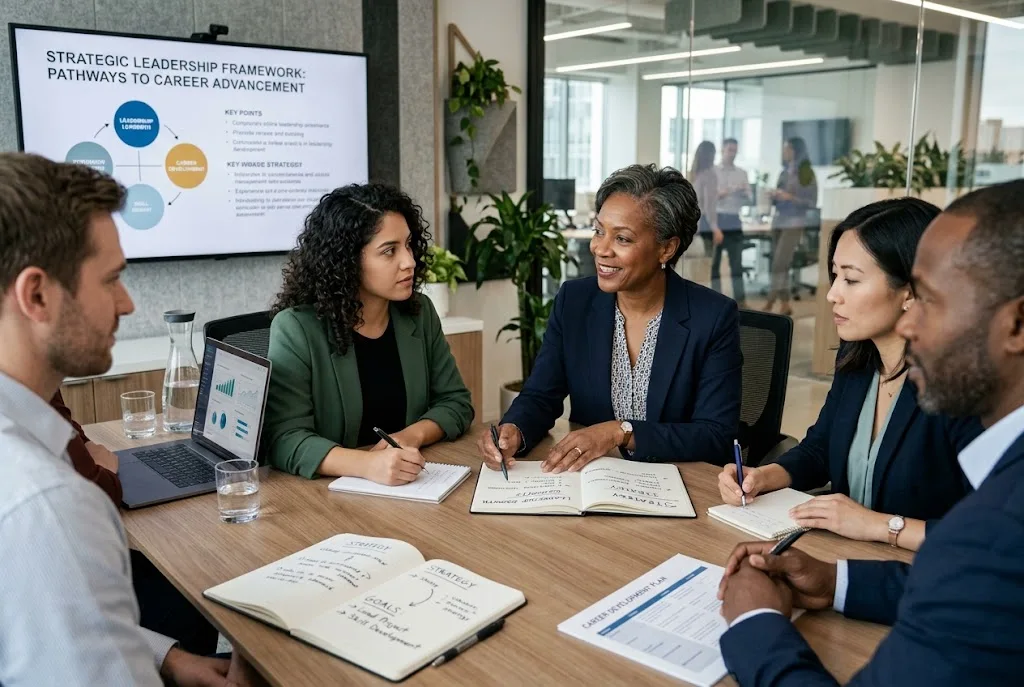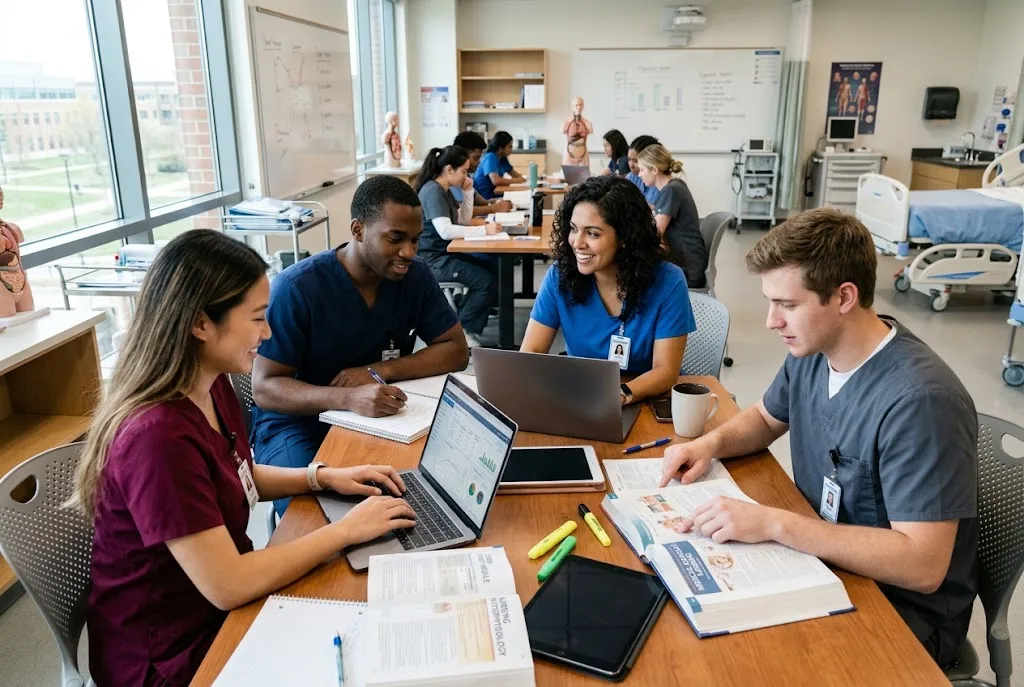
Career development programs help employees build the knowledge, skills, experience, and confidence needed to perform effectively today and prepare for future opportunities. A well-designed program can connect employee learning with organizational needs while giving people a clearer path for professional growth.
Career development is broader than completing occasional training. Effective programs combine learning with practical experience, feedback, mentoring, career planning, and opportunities to apply new skills. When these elements work together, employees can make steady progress while organizations strengthen their internal talent.
For employers, structured development can also create a more consistent approach to workforce learning. Instead of leaving professional development entirely to individual employees, organizations can provide resources and pathways that support employees at different stages of their careers.
What Are Career Development Programs?
Career development programs are organized initiatives designed to help employees or professionals improve their capabilities and prepare for current or future career opportunities. The format can vary significantly depending on the organization, industry, workforce, and objectives.
A program might include formal training, mentoring, job shadowing, workshops, leadership development, professional certifications, career coaching, cross-functional projects, or individual development planning.
The most effective programs do not treat learning as an isolated activity. Instead, they connect development to real responsibilities and clearly defined career goals.
Why Career Development Programs Matter
Employees need opportunities to continue learning as their responsibilities evolve. New technologies, processes, customer expectations, and organizational priorities can change the skills required for many roles.
A structured development program can help employees understand which capabilities matter and how they can build them. It can also give managers a framework for discussing employee strengths, development needs, and future responsibilities.
Career development can benefit organizations as well. Developing existing employees can help create a stronger internal talent pipeline and give employees opportunities to prepare for roles that may become important in the future.
The U.S. Bureau of Labor Statistics provides information about occupations, including education, training, experience, and other requirements that can help professionals research potential career directions. The Occupational Outlook Handbook is a useful resource for this type of career research.
Key Elements of Effective Career Development Programs
There is no universal structure for a career development program. However, several elements can make a program more useful and easier for employees to apply.
Clear Development Goals
Employees should understand what they are expected to learn or improve. A broad objective such as “develop professionally” is difficult to measure. A more useful goal might involve improving project management, developing leadership skills, strengthening technical expertise, or preparing for a particular responsibility.
Clear goals also make it easier for managers and employees to evaluate progress.
Relevant Training
Training should address actual workplace needs. Employees are more likely to benefit from learning when they can connect new knowledge to their responsibilities.
Training may include technical instruction, communication skills, leadership development, industry knowledge, software training, problem-solving, or other capabilities relevant to the organization.
Practical Experience
Learning becomes more valuable when employees have opportunities to apply it. Practical experience can come through projects, assignments, job rotations, team leadership, problem-solving activities, or cross-functional work.
For example, an employee completing leadership training may benefit from coordinating a small project where they can practice communication, planning, delegation, and decision-making.
Mentoring and Guidance
Mentors can provide practical insights that formal courses may not cover. An experienced professional can help an employee understand workplace expectations, identify development opportunities, and think through career decisions.
Mentoring can be especially valuable when employees are preparing for a role with responsibilities they have not previously handled.
Training and Career Development Programs
Training and career development programs are often discussed together, but they are not exactly the same. Training usually focuses on developing specific knowledge or skills, while career development takes a broader view of an employee’s professional direction.
For example, a training course might teach an employee how to use a particular software platform. A broader development program could combine that training with mentoring, project experience, feedback, and career planning.
This distinction matters because completing training does not automatically create career growth. Employees need opportunities to use what they learn and connect new capabilities with meaningful professional goals.
How to Design a Career Development Training Program
Organizations creating a career development training program should begin by understanding both business needs and employee development needs. A program that ignores either side can become difficult to sustain.
Assess Current Skills
Start by identifying the capabilities employees already possess and the skills the organization expects to need in the future. This assessment can reveal development priorities.
Identify Career Pathways
Employees benefit from understanding how they can progress within an organization. Career pathways do not need to guarantee a promotion, but they can show the skills and experiences associated with different types of roles.
Select Appropriate Learning Methods
Different skills may require different learning approaches. Some topics work well through formal courses, while others are better developed through mentoring, practice, project work, or coaching.
Provide Opportunities to Apply Learning
After training, employees should have opportunities to use their new skills. Application helps turn theoretical knowledge into practical workplace capability.
Review Progress
Development should be reviewed regularly. Managers can discuss what employees have learned, where they have applied new skills, what challenges remain, and what the next development step should be.
Career Learning and Development Should Be Continuous
Career learning and development works best as an ongoing process rather than an annual event. Employees may need different types of support as their responsibilities change.
An early-career employee may need foundational workplace skills and industry knowledge. A mid-career professional may need advanced technical expertise, project management, or leadership capabilities. An experienced employee may benefit from strategic thinking, mentoring, or preparation for senior responsibilities.
Continuous development allows organizations to adapt learning opportunities to these changing needs.
Career Development Workshops and Other Learning Formats
Career development workshops can provide focused learning experiences around specific professional topics. Workshops may address communication, leadership, networking, interviewing, career planning, project management, workplace problem-solving, or other relevant skills.
However, workshops should ideally be part of a larger development strategy. A single session may introduce a useful concept, but employees often need practice and follow-up to turn that concept into a lasting capability.
Organizations can combine workshops with mentoring, individual development plans, coaching, and practical assignments to create a more complete learning experience.
How Employees Can Get More From Development Programs
Employees also have an important role in making career development successful. Simply attending a course or workshop does not guarantee professional growth.
Before participating in a development activity, identify what you want to gain from it. During the learning experience, take notes about ideas that could improve your work. Afterwards, choose one or two actions that you can apply immediately.
It is also useful to discuss development goals with your manager. A manager may be able to recommend projects or responsibilities that allow you to practice newly developed skills.
Employees can further strengthen their progress by maintaining a record of completed training, projects, new capabilities, feedback, and professional accomplishments.
Connect Development Programs With Workplace Performance
Career development should not be separated from workplace performance. Employees should be able to see how learning can help them perform their current responsibilities more effectively while preparing them for future opportunities.
For example, communication training may help an employee deliver clearer presentations today while also preparing them for a future role that requires more stakeholder interaction.
Similarly, project management development can improve current project performance while building capabilities that may support future advancement.
This connection makes development more meaningful because employees can see the practical value of what they are learning.
Career Development Programme: A Structured Approach
The phrase career development programme is often used for a structured system that supports professional learning and advancement. Whether an organization calls it a program or programme, the underlying goal is similar: provide employees with resources and opportunities that help them develop.
A structured programme might include an initial skills assessment, development goals, training activities, mentoring, practical assignments, progress reviews, and career discussions.
The structure should remain flexible enough to accommodate different employees. People do not necessarily need identical development experiences because their roles, strengths, interests, and career goals may differ.
How Managers Support Organizational Learning
Managers are an important link between organizational learning and everyday work. They can help employees identify useful development opportunities and create situations where new skills can be practiced.
Regular one-to-one conversations can include questions about development alongside discussions of performance and current responsibilities. Managers can ask employees which skills they want to strengthen and what type of experience would help them progress.
Managers can also recognize employees who take ownership of their development and encourage them to pursue appropriate learning opportunities.
Career Development and Internal Mobility
Effective development programs can support internal mobility by helping employees understand opportunities beyond their current positions. An employee may discover that skills developed in one department can transfer to another role.
For example, someone with strong customer service experience may develop project coordination skills and eventually move toward operations. Another employee may develop communication and mentoring skills that prepare them for leadership.
Development should therefore focus not only on the employee’s current job but also on capabilities that can remain useful across different roles.
Measure the Success of Career Development Programs
Organizations should evaluate whether their development efforts are producing meaningful results. Attendance numbers alone do not necessarily show whether a program is effective.
Useful indicators can include employee participation, completion of development goals, application of newly learned skills, changes in responsibilities, employee feedback, internal movement, and progress toward organizational capability goals.
Qualitative feedback is also valuable. Employees can explain which parts of a program were useful, where they encountered difficulties, and what additional support they need.
Common Problems With Career Development Programs
Even well-intentioned programs can struggle when development activities are disconnected from workplace needs. Employees may lose interest if training feels generic or has no obvious connection to their responsibilities.
Another problem occurs when employees receive training but no opportunity to apply it. Without practice, new knowledge may not become part of everyday work.
Programs can also become ineffective when managers are not involved. Employees may complete learning activities without receiving feedback or guidance about how to use their new capabilities.
Finally, organizations should avoid treating development as a one-size-fits-all process. Different employees may need different pathways depending on their roles and goals.
Connect Organizational Learning With Employee Career Development
Organizational learning becomes stronger when employees can connect it with their individual career goals. A development program should help the organization build useful capabilities while also giving employees a clearer path for professional growth.
This is why structured employee career development should be considered alongside training initiatives. When individual development and organizational learning support each other, both employees and employers can benefit.
Organizations can also use individual development planning to connect current performance with future responsibilities. This approach helps employees understand what they need to develop and gives managers a clearer framework for providing support.
Building a Sustainable Career Learning Culture
A strong learning culture is created through everyday behavior rather than a single program. Employees should feel encouraged to ask questions, learn from mistakes, seek feedback, share knowledge, and improve their skills.
Leaders can reinforce this culture by demonstrating their own commitment to learning. When managers openly discuss what they are learning and encourage employees to experiment with better approaches, professional development becomes part of normal workplace behavior.
Organizations can strengthen this culture through mentoring, knowledge sharing, workshops, training resources, project-based learning, and regular development conversations.
Final Thoughts on Career Development Programs
Career development programs can provide a practical framework for helping employees build skills, explore career possibilities, improve workplace performance, and prepare for future responsibilities. The strongest programs go beyond isolated training by combining learning with practical experience, mentoring, feedback, and career planning.
For employees, the value of a development program depends largely on how actively they apply what they learn. For organizations, success depends on creating relevant opportunities and connecting development with real workforce needs.
When career learning becomes a continuous part of the workplace, employees are better positioned to grow professionally while organizations build stronger and more adaptable talent. A thoughtful development strategy can therefore support both individual career progress and long-term organizational capability.