Developing talent strategy is the process of creating a structured approach to identifying, developing, engaging, and retaining people whose capabilities support an organization’s current and future goals. A strong talent strategy connects employee development with business priorities instead of treating training as an isolated activity.
Organizations need people with the right skills at the right time. At the same time, employees want meaningful opportunities to learn, take on greater responsibility, and build sustainable careers. A thoughtful talent strategy brings these needs together through talent planning, career development, leadership preparation, coaching, succession planning, and targeted development initiatives.
When talent development is connected to business strategy, organizations can make better use of existing capabilities while preparing employees for future responsibilities.
What Does Developing Talent Strategy Mean?
Developing talent strategy means establishing a deliberate framework for understanding what talent an organization has, what capabilities it needs, and how employees can develop toward those future requirements.
The process can include identifying critical skills, assessing current capabilities, creating development pathways, supporting managers, preparing future leaders, and monitoring progress. It can also involve decisions about recruitment, internal mobility, mentoring, coaching, and succession planning.
The most effective approach is not necessarily the one with the largest number of training courses. Instead, it is the approach that connects development activity to meaningful organizational and employee outcomes.
Why Developing Talent Strategy Matters
A strong talent strategy can help organizations prepare for changing business requirements while giving employees clearer development opportunities. Without a structured approach, organizations may struggle to identify skill gaps or prepare people for important future roles.
Talent strategy also supports internal mobility. Employees who understand what skills are needed for future opportunities can make more informed decisions about their development.
For managers, a clear talent strategy provides a framework for identifying strengths, discussing career goals, and creating practical development experiences. This makes employee development part of everyday leadership rather than an annual administrative exercise.
That connection is particularly important for organizations building management capability. Managers can strengthen their ability to develop employees through structured coaching and development skills.
Key Elements of a Talent Strategy
A comprehensive talent strategy can include several connected elements. The exact structure depends on an organization’s size, industry, workforce, and objectives, but the following areas provide a useful foundation.
Workforce and Skills Planning
Organizations need to understand which skills are required to achieve current objectives and which capabilities may become important in the future. This can involve examining business plans, technology changes, customer needs, operational requirements, and anticipated workforce changes.
Talent Identification
Talent identification involves recognizing employees with strengths, potential, specialized expertise, or capabilities that could become important to the organization. This should be based on evidence and development potential rather than assumptions or personal preference.
Employee Development
Employees need opportunities to build relevant capabilities. Development may include formal learning, coaching, mentoring, job assignments, project leadership, peer learning, or cross-functional experience.
Career Mobility
Internal career opportunities allow employees to apply their skills in new contexts. Lateral moves, expanded responsibilities, temporary assignments, and promotions can all provide valuable development experiences.
Succession Planning
Succession planning helps organizations prepare for important leadership and specialist roles. It involves identifying potential successors, understanding development gaps, and creating experiences that increase readiness over time.
Talent Planning and Business Priorities
Talent planning works best when it begins with the organization’s strategic direction. Instead of asking only which employees should receive training, leaders should first ask what capabilities the organization will need to achieve its goals.
For example, an organization expanding into digital services may need stronger technology, data, product management, and customer experience capabilities. A company entering new markets may need professionals with international business knowledge, cultural awareness, and market-specific expertise.
Once those needs are understood, leaders can compare them with existing workforce capabilities and identify gaps.
This creates a logical sequence: business strategy informs capability requirements, capability requirements inform talent priorities, and talent priorities inform development activity.
Career and Talent Management
Career and talent management should work together because organizational talent goals depend partly on employees seeing realistic opportunities for growth.
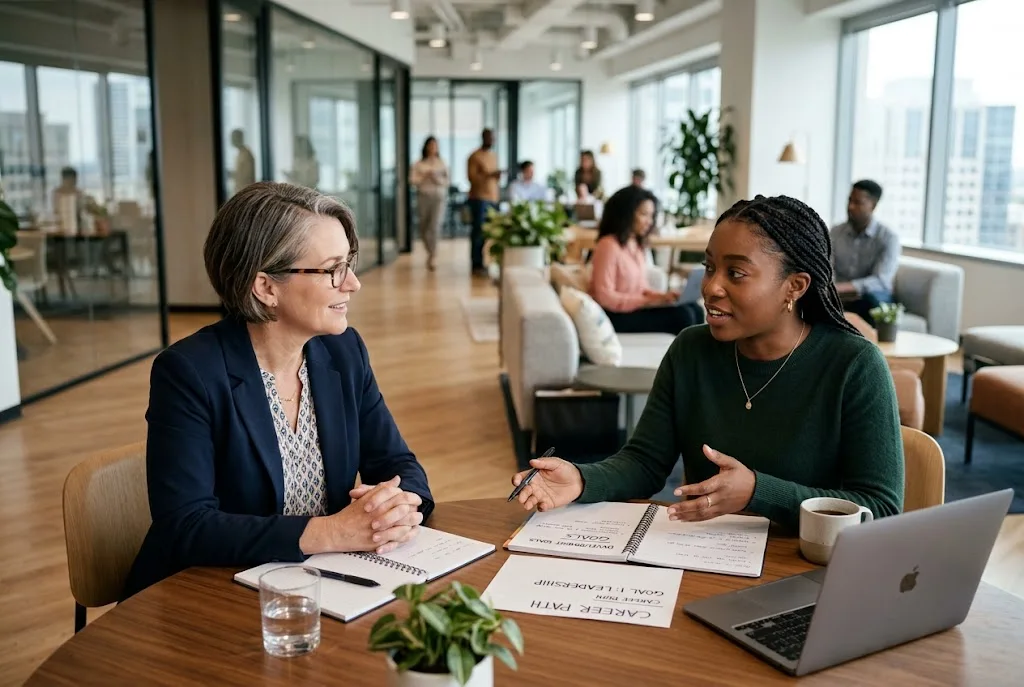
The Career conversations can help employees understand their strengths, interests, development needs, and potential future roles. Managers can then connect those discussions with available opportunities within the organization.
A strong approach does not promise every employee a promotion. Instead, it helps people understand different pathways for growth. Development may involve deeper specialization, broader responsibilities, leadership opportunities, project work, or movement into another function.
This makes career development more flexible while still supporting organizational workforce needs.
Understanding the Talent Management Cycle
The talent management cycle describes the connected activities organizations use to attract, develop, engage, and retain employees. Although models differ, the cycle commonly includes several related stages.
- Identify needs: Determine the capabilities required by the organization.
- Attract talent: Recruit or source people with relevant capabilities.
- Identify potential: Understand employee strengths and development potential.
- Develop people: Provide learning, coaching, mentoring, and practical experiences.
- Deploy talent: Match people with roles and opportunities where their capabilities can create value.
- Engage employees: Create an environment that supports contribution and professional growth.
- Retain capability: Provide meaningful opportunities and development pathways for valuable employees.
- Review and adjust: Evaluate changing workforce requirements and update the strategy.
These stages should not operate independently. For example, development should be influenced by future workforce needs, while retention strategies should consider whether employees have opportunities to apply and expand their capabilities.
Talent Management Initiatives That Support Employee Growth
Talent management initiatives should reflect the organization’s actual priorities and the needs of its workforce. Common initiatives include mentoring programs, leadership development, career frameworks, coaching, skills assessments, internal mobility programs, succession planning, and development assignments.
The most useful initiatives tend to provide employees with practical ways to apply what they learn.
Mentoring Programs
Mentoring can connect employees with experienced professionals who can share knowledge, provide perspective, and discuss career decisions.
Leadership Development
Leadership programs can prepare emerging leaders for responsibilities involving communication, delegation, decision-making, employee development, and strategic thinking.
Development Assignments
Stretch assignments can give employees opportunities to practice skills in unfamiliar situations. Leading a project or working with another department can provide valuable experience that formal training alone cannot replicate.
Internal Mobility
Internal opportunities allow employees to build broader experience while helping organizations make better use of existing talent.
Coaching
Coaching can help employees translate development goals into practical actions and reflect on workplace experiences.
Managing Talent Through Effective Leadership
Managing talent is not solely an HR responsibility. Managers play a central role because they interact with employees regularly and often have the clearest view of day-to-day strengths and development needs.
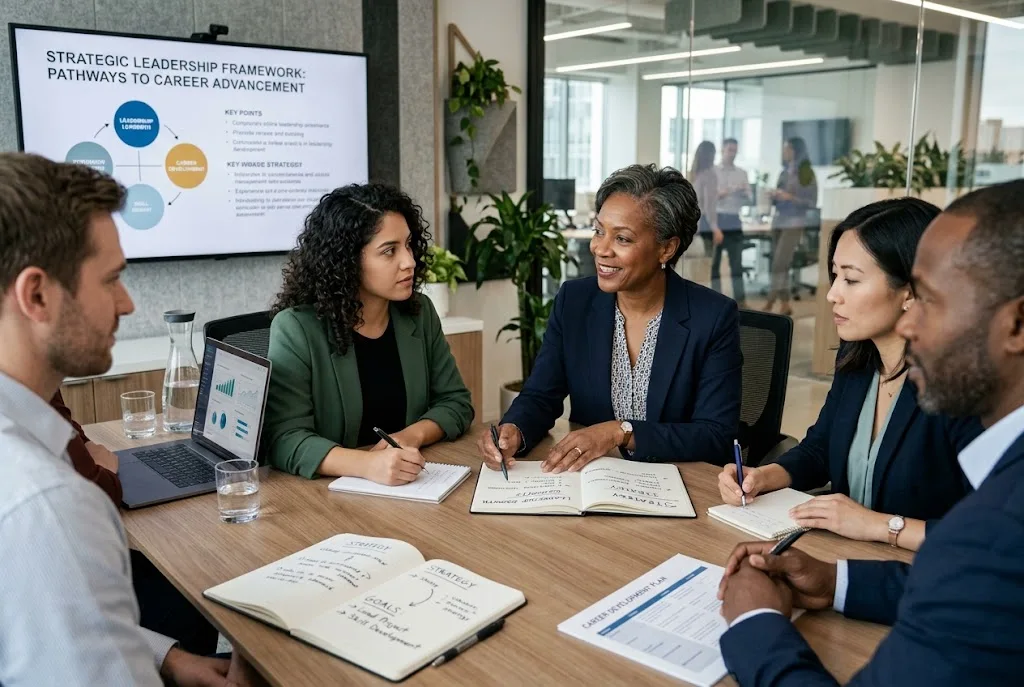
Effective managers can support talent development by holding meaningful one-to-one conversations, providing useful feedback, assigning developmental work, recognizing contributions, and discussing future career possibilities.
Managers also need to avoid common talent-management mistakes. For example, consistently assigning high-visibility work to the same employees can limit opportunities for others. Similarly, identifying talent based only on current performance may overlook employees who could develop into strong contributors with the right experience.
Managers who want to strengthen these capabilities can also build on their broader management development skills.
How Leadership Development Fits Into Talent Strategy
Leadership development is an important part of developing talent strategy because organizations need people who can eventually take on broader responsibilities.
Emerging leaders may need development in communication, delegation, coaching, strategic thinking, stakeholder management, and decision-making. These capabilities should be developed before an employee reaches a critical leadership position whenever possible.
Practical experiences are particularly useful. Employees can lead projects, mentor colleagues, facilitate meetings, manage initiatives, or participate in strategic planning discussions.
This approach complements individual leadership career development by connecting personal capability building with organizational leadership needs.
Designing a Talent Management Workshop
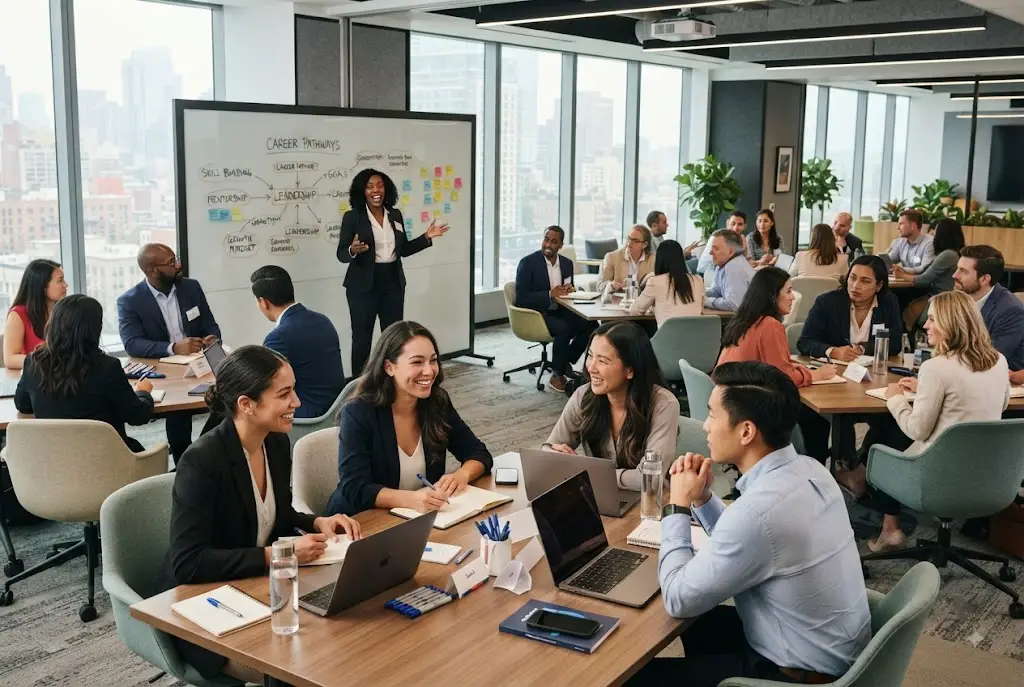
A talent management workshop can help managers and organizational leaders develop a shared understanding of talent priorities. A useful workshop should focus on practical decisions rather than becoming a general discussion about employee development.
A workshop might include:
- Reviewing current and future business priorities
- Identifying critical roles and capabilities
- Discussing current workforce strengths
- Identifying skill or experience gaps
- Reviewing potential development pathways
- Discussing succession risks
- Creating development actions for key talent groups
- Establishing follow-up measures
Participants should leave with clear actions rather than only a collection of observations. Follow-up meetings can then review progress and update priorities as business requirements change.
How to Identify Talent and Potential
Identifying talent requires a balanced view of current performance, capabilities, potential, motivation, and development needs. High performance in a current role is valuable, but it does not necessarily indicate readiness for every future position.
Managers can consider questions such as:
- What capabilities does this employee consistently demonstrate?
- Which responsibilities have they handled successfully?
- How do they respond to unfamiliar challenges?
- Do they learn from feedback and experience?
- What skills could they develop further?
- Which future roles might align with their strengths?
Talent discussions should also be based on evidence. Clear criteria can reduce the risk of allowing personal preferences or informal relationships to dominate talent decisions.
Developing Talent Through Stretch Assignments
One of the most practical ways of developing talent is to give employees opportunities that are challenging but achievable. A stretch assignment can expose an employee to new stakeholders, responsibilities, technologies, processes, or decision-making situations.
The assignment should have a clear purpose. Managers can explain what the employee is expected to learn, what support is available, and how success will be evaluated.
After the assignment, reflection is important. The employee can discuss what they learned, what challenges they encountered, and what they would approach differently next time.
This creates a development cycle in which experience becomes a source of learning rather than simply additional workload.
Technology and Modern Talent Development
Technology can support talent strategy by making development resources more accessible and helping organizations organize information about skills, learning, career pathways, and workforce needs.
Digital learning platforms can provide employees with courses and resources, while skills frameworks can help organizations define capabilities for different roles. Internal talent marketplaces may also help employees discover projects or opportunities that match their interests and skills.
Technology should support, rather than replace, meaningful conversations. A platform can recommend learning resources, but managers still need to discuss career goals, provide feedback, and create practical opportunities for employees to apply new capabilities.
Measuring Talent Strategy Effectiveness
A talent strategy should be evaluated against meaningful outcomes. Simply measuring the number of employees who completed training does not necessarily show whether development improved capability or organizational performance.
Organizations can consider indicators such as:
- Internal promotion and mobility patterns
- Readiness for critical roles
- Participation in development opportunities
- Progress against identified skill gaps
- Employee development activity
- Retention of important capabilities
- Manager and employee feedback
- Completion of succession development plans
Metrics should be interpreted in context. Changes in retention, promotion, or performance can have multiple causes. A combination of quantitative information and qualitative feedback provides a more complete view of talent strategy effectiveness.
Common Talent Strategy Mistakes
Treating Talent Development as a One-Time Program
Employee capability changes continuously. A strategy should be reviewed regularly rather than created once and left unchanged.
Focusing Only on High-Potential Employees
Organizations need strong capability across the workforce. While high-potential programs may serve specific succession needs, broader development opportunities can improve organizational resilience.
Ignoring Managers
Managers influence whether development actually happens. Even excellent learning resources can have limited impact if managers do not provide time, feedback, or opportunities to practice.
Separating Talent Strategy From Business Strategy
Talent priorities should reflect actual business requirements. Otherwise, organizations may invest heavily in capabilities that do not address important future needs.
Overlooking Employee Career Goals
Organizations need business-focused talent plans, but employees are more likely to engage when they can see how development connects with their own professional interests and aspirations.
Creating a Practical Talent Strategy
A practical strategy can begin with a simple sequence of questions.
- Where is the organization going? Define the strategic direction and major priorities.
- What capabilities will be needed? Identify critical skills, roles, and leadership requirements.
- What capability exists today? Assess current workforce strengths and gaps.
- Where are the biggest risks? Identify critical roles or skills that lack sufficient depth.
- What development is required? Select learning, coaching, mentoring, mobility, and experience-building opportunities.
- Who owns the actions? Clarify responsibilities across managers, employees, HR, and leadership.
- How will progress be reviewed? Establish practical measures and regular review points.
This framework keeps talent strategy connected to decisions rather than turning it into an abstract organizational exercise.
Developing Talent Strategy for Long-Term Career Growth
Talent strategy and individual career development should reinforce each other. Employees benefit when organizations provide clear pathways to build skills, while organizations benefit when employees apply those capabilities to important business challenges.
For professionals, this means taking an active role in development. Employees can identify the skills needed for future roles, request meaningful assignments, seek feedback, and participate in mentoring or coaching opportunities.
For managers, it means treating development as part of leadership responsibility. A manager who helps employees grow is not only supporting the individual but also contributing to the organization’s future capability.
Conclusion
Developing talent strategy gives organizations a structured way to connect workforce capability with current and future business priorities. Effective talent strategy combines planning, development, coaching, career management, leadership preparation, internal mobility, and succession thinking.
The strongest strategies are not built around training courses alone. They create opportunities for employees to learn through experience, receive useful feedback, work with experienced mentors, and take on responsibilities that prepare them for future roles.
Managers have a particularly important role because they can turn organizational talent priorities into everyday development conversations and experiences. When leaders consistently support employee growth, talent development becomes part of the organization’s operating culture.
For professionals, the result can be clearer career pathways and more meaningful opportunities to build capabilities. For organizations, it can create a stronger and more adaptable workforce prepared for changing requirements.
Talent strategy is therefore not simply about managing people today. It is about deliberately building the capabilities an organization will need tomorrow.
For additional perspective on developing leadership capability, the Center for Creative Leadership’s leadership development resources provide further information about structured approaches to building leadership skills.