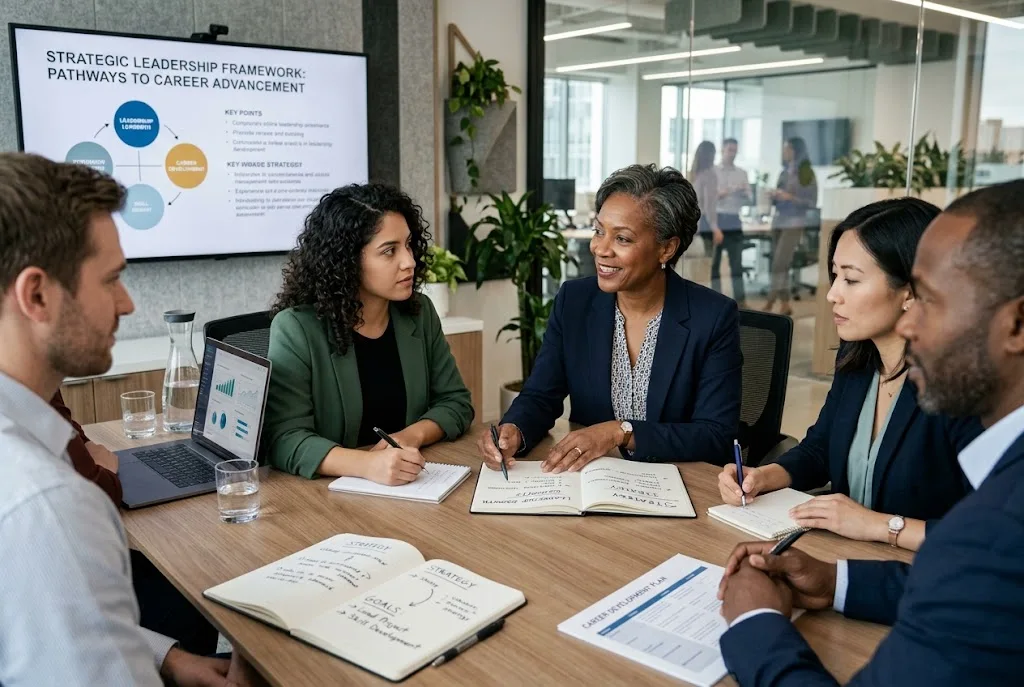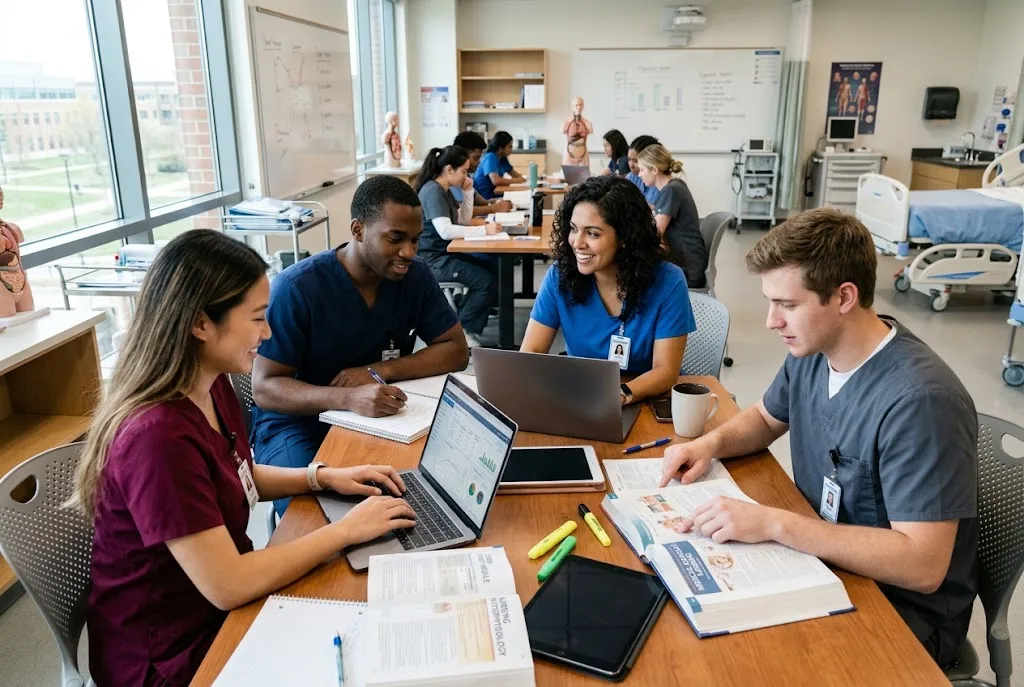
Workforce upskilling has become a strategic priority for organizations facing rapid technological advancements, changing customer expectations, and evolving job roles. As businesses embrace digital transformation, employees need continuous learning opportunities to remain productive, competitive, and prepared for future challenges.
Rather than replacing talent, forward-thinking organizations invest in developing their existing workforce. Upskilling not only strengthens employee capabilities but also improves engagement, retention, innovation, and long-term business performance. This guide explores workforce upskilling, effective strategies, and practical ways organizations can prepare employees for tomorrow’s workplace.
What Is Workforce Upskilling?
Workforce upskilling is the process of helping employees develop new knowledge and strengthen existing skills so they can perform current roles more effectively or prepare for future responsibilities.
Unlike hiring new talent to fill skill gaps, upskilling focuses on growing the capabilities of current employees through continuous learning and professional development.
Common areas for workforce upskilling include:
- Digital literacy
- Leadership development
- Artificial intelligence
- Project management
- Communication skills
- Data analysis
- Cybersecurity awareness
- Customer experience
Why Workforce Upskilling Matters
Technology, automation, and changing business models are transforming nearly every industry. As new tools emerge, employees must adapt by learning new competencies that support organizational goals.
Organizations that prioritize upskilling often experience:
- Higher employee retention
- Improved productivity
- Greater innovation
- Better internal promotion rates
- Reduced recruitment costs
- Stronger employee engagement
- Increased organizational agility
Employees also benefit by gaining valuable skills that improve career opportunities and long-term employability.
The Difference Between Upskilling and Reskilling
Although often mentioned together, upskilling and reskilling serve different purposes.
Upskilling
Upskilling helps employees improve skills related to their current roles or prepare for advancement within the same career path.
Reskilling Workforce Initiatives
Reskilling workforce programs prepare employees for entirely new responsibilities when existing roles evolve or become obsolete. This approach helps organizations retain experienced employees while adapting to changing business needs.
Both strategies contribute to long-term workforce resilience.
Identifying Skills in Demand
Successful workforce development begins with understanding current and future skills demand. Organizations should regularly assess which competencies will support future business growth.
Many employers now prioritize:
- Digital collaboration
- AI literacy
- Critical thinking
- Problem-solving
- Leadership
- Data interpretation
- Adaptability
- Emotional intelligence
Monitoring industry trends helps organizations align learning initiatives with business objectives.
Designing Effective Upskilling Programs
Successful upskilling programs go beyond occasional training sessions. They create structured learning experiences that support measurable business outcomes.
An effective program typically includes:
- Skills assessments
- Personalized learning paths
- On-the-job training
- Mentorship opportunities
- Leadership development
- Knowledge-sharing sessions
- Regular progress reviews
Programs should be flexible enough to meet the needs of employees across different roles and experience levels.
Workforce Upskilling Strategies That Deliver Results
1. Build a Learning Culture
Organizations that encourage continuous learning create employees who are more adaptable and motivated to grow.
2. Align Learning With Business Goals
Training should directly support organizational priorities rather than offering unrelated learning opportunities.
3. Personalize Development Plans
Every employee has unique strengths and career aspirations. Individual learning plans increase engagement and improve outcomes.
4. Encourage Cross-Functional Learning
Cross-department collaboration broadens employee perspectives while strengthening organizational knowledge.
5. Measure Learning Outcomes
Track improvements through performance reviews, productivity metrics, project outcomes, and employee feedback.
How to Upskill Employees Successfully
Many leaders ask, how to upskill employees effectively without disrupting daily operations. The answer lies in combining practical learning with ongoing support.
Best practices include:
- Assess existing skills before training.
- Identify future competency requirements.
- Provide flexible learning options.
- Offer coaching and mentoring.
- Create opportunities to apply new skills.
- Recognize employee achievements.
- Review progress regularly.
Employees learn most effectively when they can immediately apply new knowledge to real workplace situations.
Leadership’s Role in Workforce Upskilling
Managers and senior leaders play a critical role in creating successful learning environments. Leadership support encourages participation and demonstrates that continuous development is a strategic priority.
Effective leaders:
- Promote lifelong learning.
- Provide constructive feedback.
- Support career development.
- Allocate learning time.
- Recognize employee growth.
- Encourage innovation.
Leadership commitment significantly improves employee participation in development initiatives.
Technology and Modern Learning
Digital platforms have transformed workforce development by making learning more accessible and personalized.
Organizations increasingly use:
- Learning management systems
- Virtual classrooms
- Microlearning modules
- AI-powered learning recommendations
- Interactive simulations
- Mobile learning applications
Technology allows employees to learn at their own pace while supporting continuous development.
Measuring the Success of Workforce Upskilling
Organizations should evaluate upskilling initiatives using measurable outcomes rather than simply tracking course completion.
Useful metrics include:
- Employee retention
- Internal promotions
- Skill assessment improvements
- Productivity gains
- Employee engagement scores
- Customer satisfaction
- Project performance
These indicators help determine whether learning investments contribute to business success.
Preparing for the Future of Work
The future workplace will continue to evolve as automation, artificial intelligence, and digital transformation reshape industries. Organizations that invest in workforce upskilling today will be better prepared to respond to future challenges while retaining experienced employees.
Employees can further strengthen their development by exploring professional career coaching for personalized guidance and by preparing meaningful career development questions to ask manager during regular performance discussions.
Future-focused organizations may also benefit from adopting AI-driven learning solutions, which we’ll explore in our upcoming guide on AI in career development.
Final Thoughts
Workforce upskilling is no longer optional—it’s a business necessity. Organizations that continuously develop employee skills build stronger teams, improve innovation, and remain competitive in rapidly changing markets. By combining strategic learning programs, supportive leadership, and a culture of continuous improvement, businesses create resilient workforces prepared for long-term success.
For additional workforce development guidance, visit the Society for Human Resource Management (SHRM), a trusted resource for workplace learning and talent development.